 Advanced energy solutions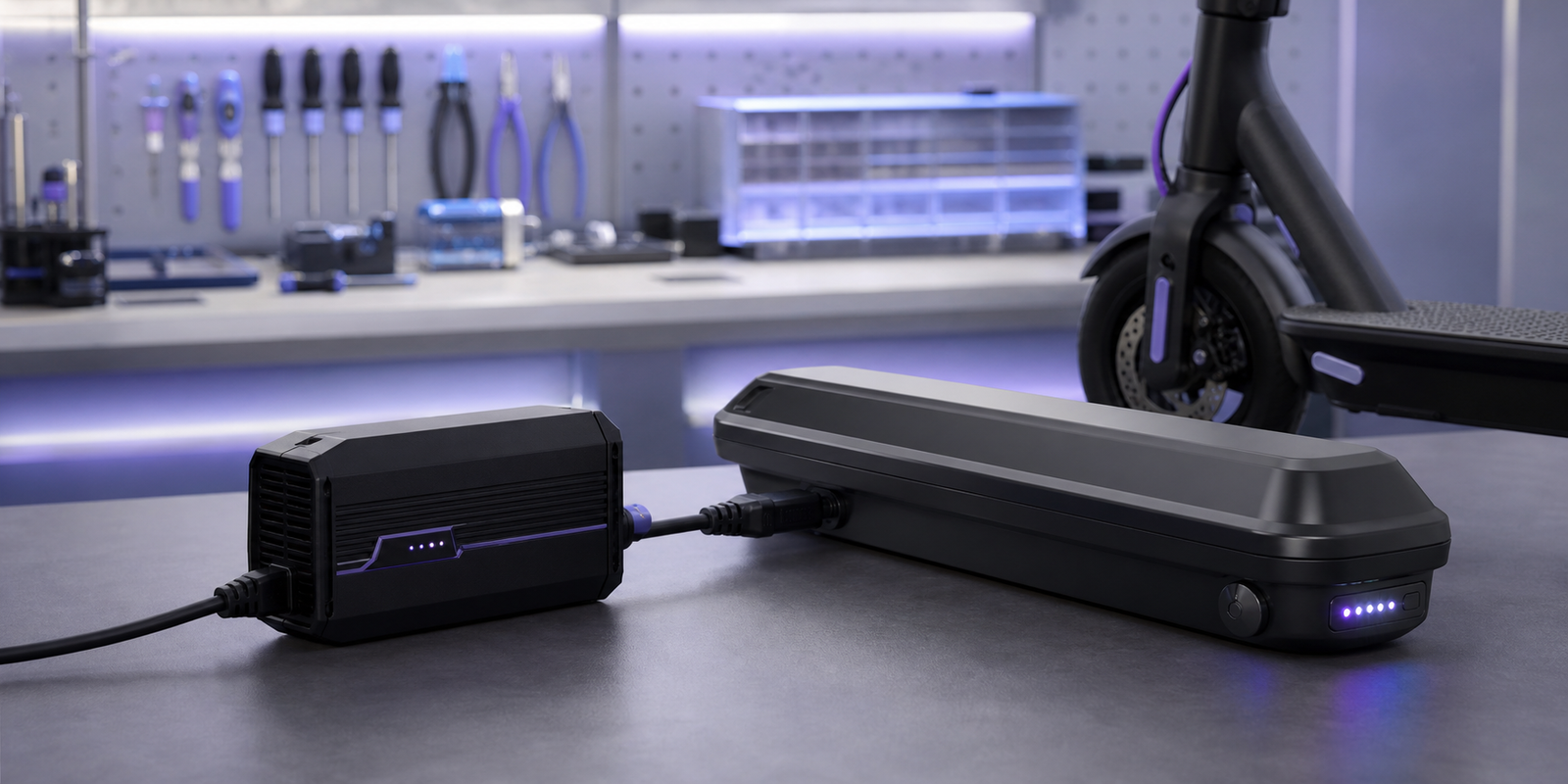
Electric vehicles depend on a complete energy system—not only a battery. Cells store energy, the battery management system supervises the pack, and the charger delivers power in a controlled profile. These components must be designed to work together.
Start with battery chemistry
Li-ion packs offer excellent energy density and are useful when compact size and low weight matter. LiFePO4 batteries are valued for thermal stability, long cycle life and dependable daily operation. The right chemistry depends on vehicle space, required range, payload, discharge demand and budget.
Why the BMS matters
A battery management system monitors cell voltage, current and temperature. It helps protect the pack from overcharging, excessive discharge, short circuits and unsafe temperature conditions. Cell balancing also helps individual cells age more evenly.
Match the charger correctly
- Charger output voltage must match the battery pack and chemistry.
- Charging current should remain within the battery manufacturer’s recommended limit.
- The connector, polarity and communication method must be compatible.
- Use the charging environment and ventilation recommended for the product.
Questions to ask before buying
Share the vehicle type, motor rating, controller current, desired daily range, available battery space and expected charging window. This allows the supplier to recommend the correct voltage, capacity, chemistry and charger combination.
Need a matched EV energy system?
Talk to our team about your vehicle and daily operating requirement.