 Advanced energy solutions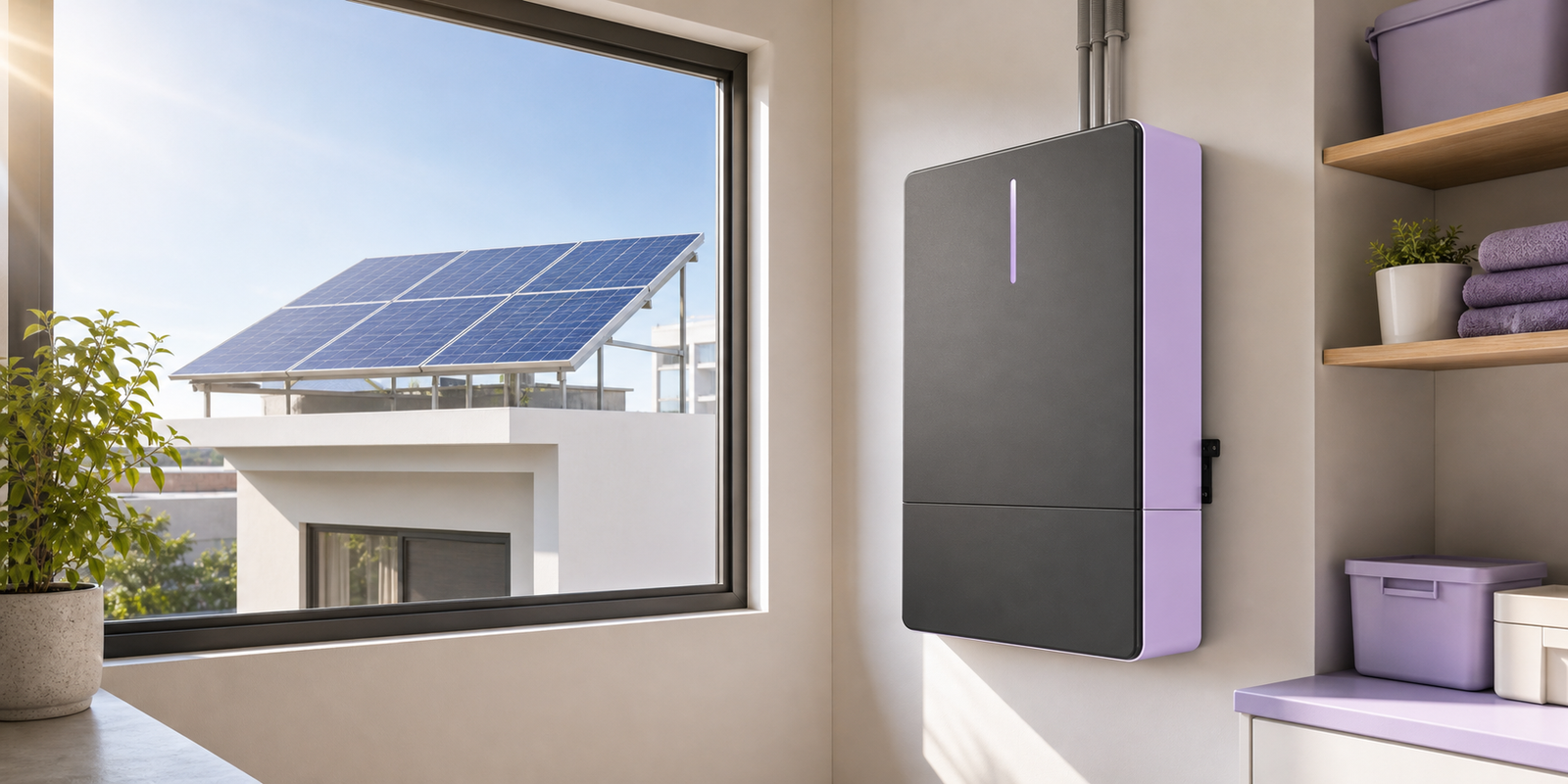
A solar energy system includes panels, mounting structure, wiring, protection equipment and an inverter. Where backup is needed, batteries and a compatible charge controller or hybrid inverter are added to store usable energy.
Generation and storage are different
Panel capacity is measured in kilowatts and indicates peak generating ability. Battery energy is measured in kilowatt-hours and indicates how much energy can be stored. A good design considers both instead of treating them as interchangeable.
Calculate the essential load
List the appliances that must operate during a power cut, record their wattage and estimate hours of use. Add realistic conversion losses and leave an operating margin. Heavy loads such as air conditioners, pumps and heaters can change the battery and inverter requirement significantly.
Choose suitable battery technology
LiFePO4 batteries are commonly considered for modern solar storage because of their cycle life, usable depth of discharge and stable chemistry. Selection should still account for temperature, installation location, inverter compatibility and expected daily cycling.
Plan for safe installation
- Use correctly rated cables, isolators and protective devices.
- Keep equipment dry, accessible and within specified temperature limits.
- Confirm inverter and battery voltage compatibility.
- Use qualified installers and follow applicable electrical standards.
Planning solar storage?
Share your load and backup-hour requirement for product guidance.